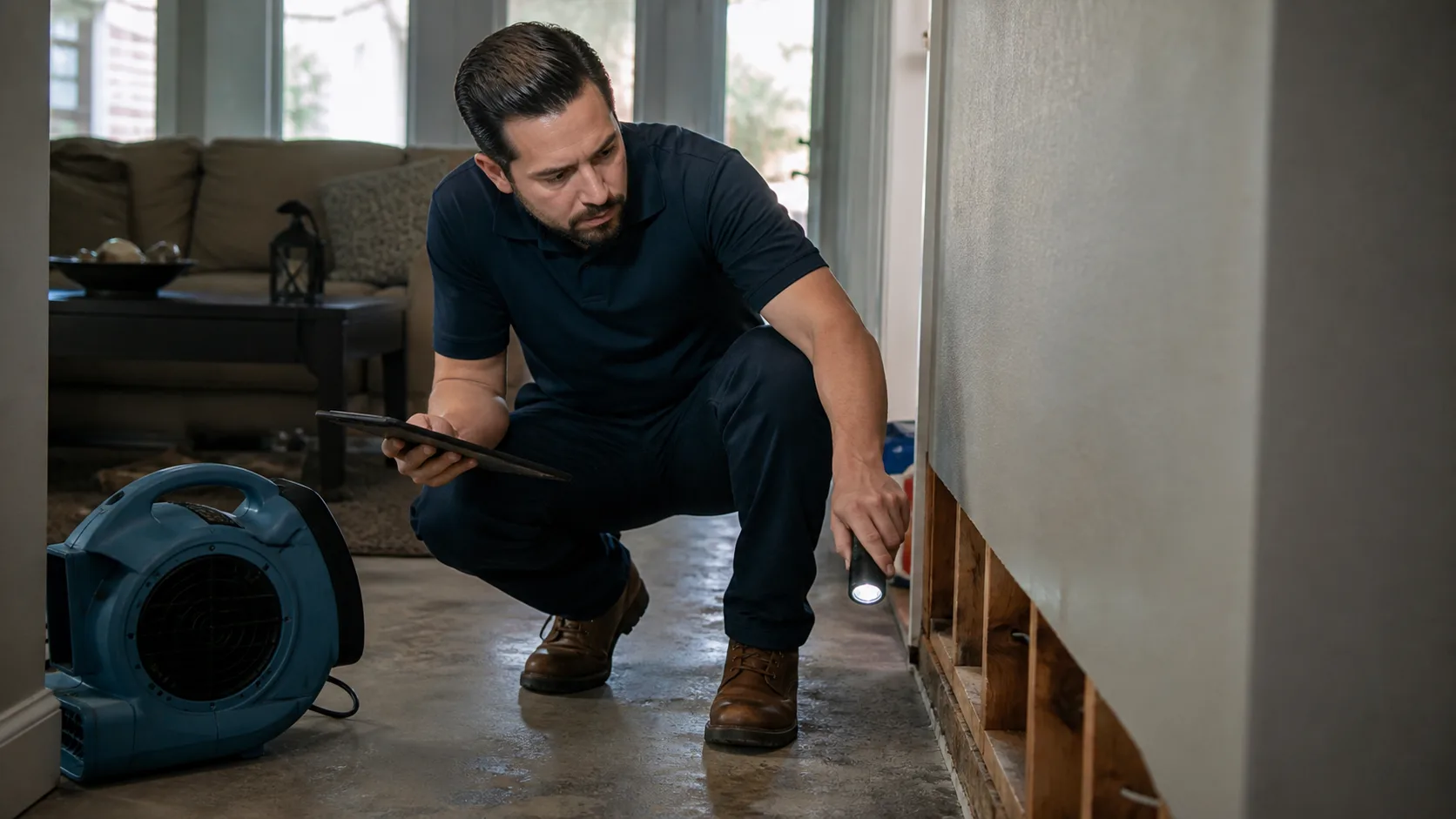
Keep safe photos, a factual timeline, source-repair records, written mitigation authorizations, changes, invoices, and the work records your contractor provides. Ask how to obtain assessment and drying information. Keep observations separate from unconfirmed causes. These records explain what happened and what was done; your insurer decides coverage under your policy.
Burst pipe, leak or flood? We stop the damage, dry the structure and document every step.
After a water event, useful information can end up in several places: phone photos, a plumber’s invoice, text messages, and the mitigation agreement. Keeping those records together makes the work easier to follow. It also gives you a clear account to share when your insurer or repair contractor asks what happened.
For water mitigation in Pearland and Greater Houston, call TruePoint Restoration at (346) 271-7004. Ask what assessment, progress, and completion records would be included in the proposed scope.
Before choosing a water damage restoration service, ask which factual work records are included and how you can obtain them.
What should I record before cleanup changes the room?
Put safety first. If you can take photos without entering water, approaching electrical hazards, or going beneath damaged materials, capture the overall room and closer views of visible damage. Keep the original files. Add a short note identifying the location and when you took them.
The National Flood Insurance Program’s documentation guidance recommends photographs and videos before cleanup and retaining repair receipts. Its guidance concerns flood claims; ask your own insurer what it needs for your particular loss.
Do not make the record look more certain than it is. “I found water beside the refrigerator at 7 a.m.” is an observation. “The line failed at midnight” is a conclusion you may not be able to support. Keep those statements separate and let the appropriate trade record its findings.
How can I organize the records without creating a complicated system?
Use one folder for the event, with the property address and discovery date in its name. Keep a copy somewhere other than the affected property. A simple index helps you find records later:
| Folder | What belongs there |
|---|---|
| Initial conditions | Safe photos, videos, room names, and your discovery notes |
| Source repair | Trade findings, repair authorization, and the source-repair invoice |
| Mitigation agreement | Proposed scope, signed authorization, payment terms, and changes |
| Work records | Assessment information, progress records, and completion information provided |
| Expenses and repairs | Invoices, receipts, repair agreements, and related correspondence |
Use the contractor’s actual document titles. You do not need to rename a report “moisture map” if the company provides a different type of record. The goal is to retain understandable information, rather than force every job into the same paperwork format.

What should I ask the mitigation company before work starts?
Settle the paperwork questions before work starts: what you are authorizing, how changes are approved, and which records you will receive. A short written explanation is easier to refer to later than a conversation you only half remember during a difficult day.
Also ask what the scope excludes. Source repair, electrical work, and reconstruction may involve separate agreements. Keeping those roles clear helps you direct a question to the right company. Our who-to-call guide explains the distinction.
If a document contains a term you do not understand, request an explanation before signing. Do not assume the contractor’s authorization also settles your insurer’s requirements or your payment responsibilities. Keep those conversations and documents available for reference.
What makes a progress record useful?
A progress record is useful when you can connect a finding to a location and date. An isolated photograph or meter number needs context. The contractor should explain which material it concerns and how it relates to the work.
Keep changes with the original agreement. If the scope expands, retain the explanation and authorization. If another trade repairs the source during mitigation, save that record too. It helps distinguish work that has been completed from work still being assessed.
You do not need to interpret instruments yourself. Ask the contractor to explain what the records support and what remains uncertain. An inspection limit should remain visible in the documentation, rather than turn into an assumption that an inaccessible area was checked.
What should I keep when mitigation is complete?
Keep the final invoice and the completion information included in your scope. Retain any explanation of areas that could not be assessed and work left for a separate trade. Those details matter when another contractor comes to close a wall or replace a floor.
If you later hire a reconstruction contractor, keep its scope separate. A mitigation completion record and a finished repair invoice describe different stages. Maintaining both lets you answer what was dried, what was removed, and what was later repaired without combining the stages into one vague description.
How does this help with an insurance conversation?
Share factual records using the submission method your insurer requests. Ask what else it needs and retain a copy of what you provide. The insurance-adjuster guide covers that conversation in more detail.
Documentation does not establish coverage or guarantee payment. TruePoint’s role is water mitigation and factual work documentation. It does not represent you as a public adjuster or determine your settlement. Direct policy and coverage questions to your insurer.
To discuss the work and its records, call (346) 271-7004. The Pearland service page explains the local mitigation scope so you can ask about the service your property needs.